Mountain Bike Packing List for Southern Utah: What to Bring for Desert Slickrock
Desert slickrock asks for more water, more sealant and more layers than most riders expect. Here's what to carry on the trail, what to keep in the car and what to leave at the cabin.

In this guide
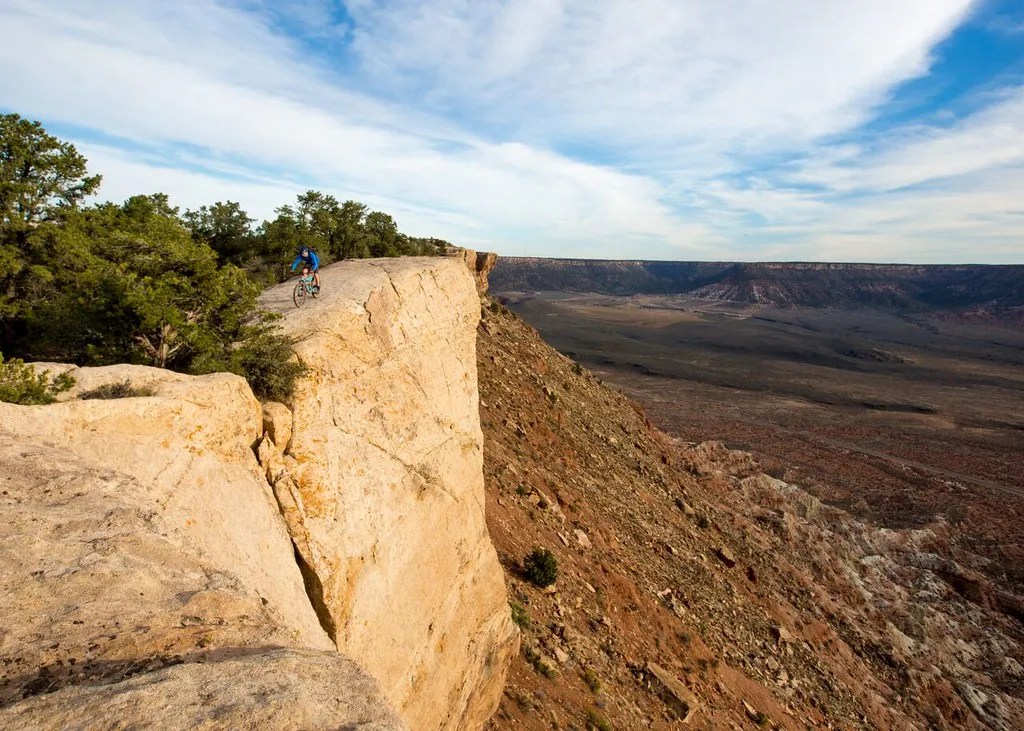
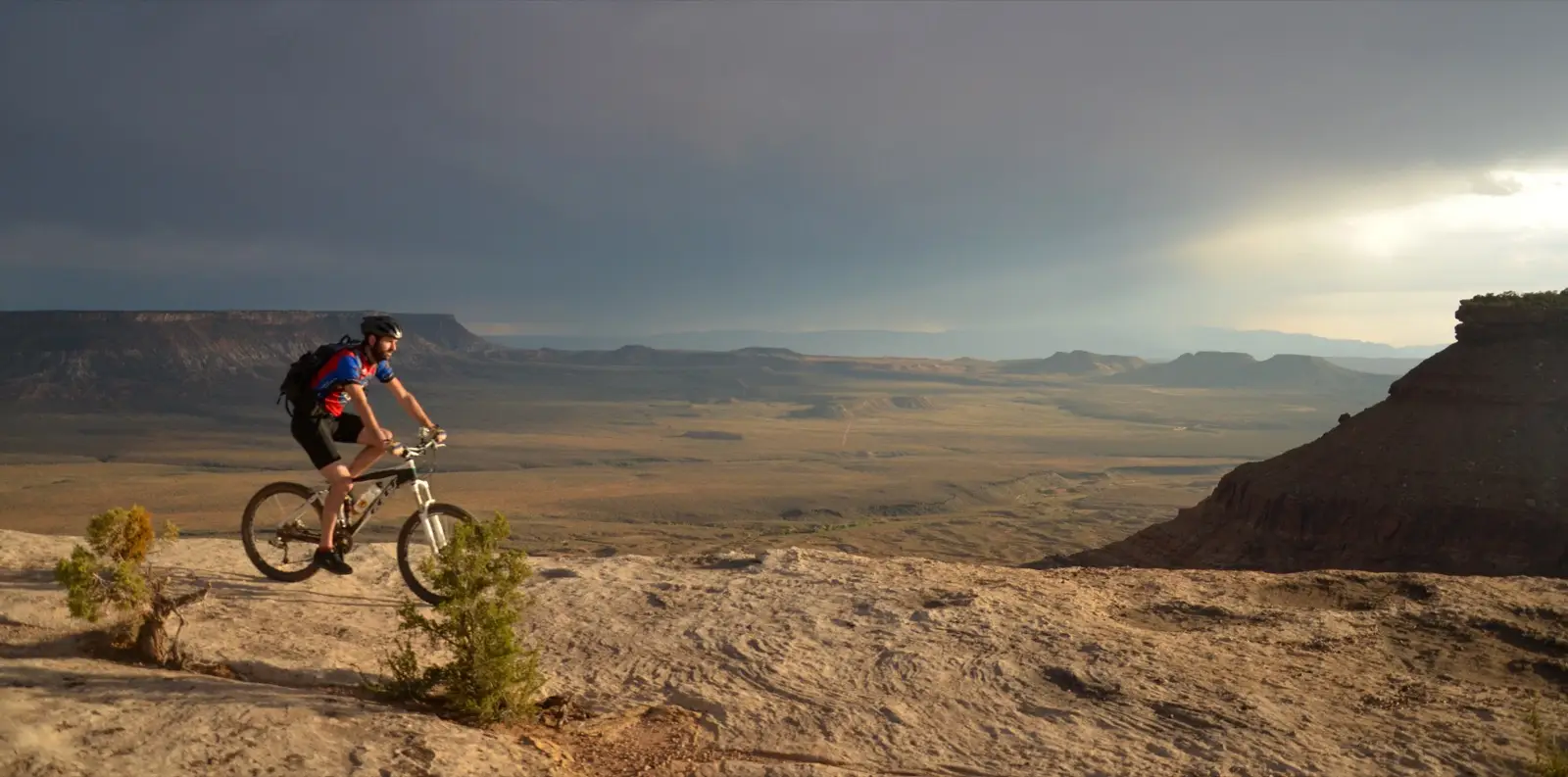
A good mountain bike packing list for Southern Utah starts with water, tubeless sealant and sun protection. Slickrock rides like Gooseberry Mesa have no water, little shade and plenty of sharp plants, and temperatures can swing more than 30°F in a day. Add layers, offline maps and a real first aid kit, and you’re covered for almost anything the desert throws at you.
We host riders at our cabins in Apple Valley, about 25 to 30 minutes from the main Gooseberry trailhead, and we see the same things forgotten again and again. Here’s the list we’d hand a friend, split into what goes in your pack, what stays in the car and what you can leave at home. For trail ideas, see our On Two Wheels collection.
Water and fuel
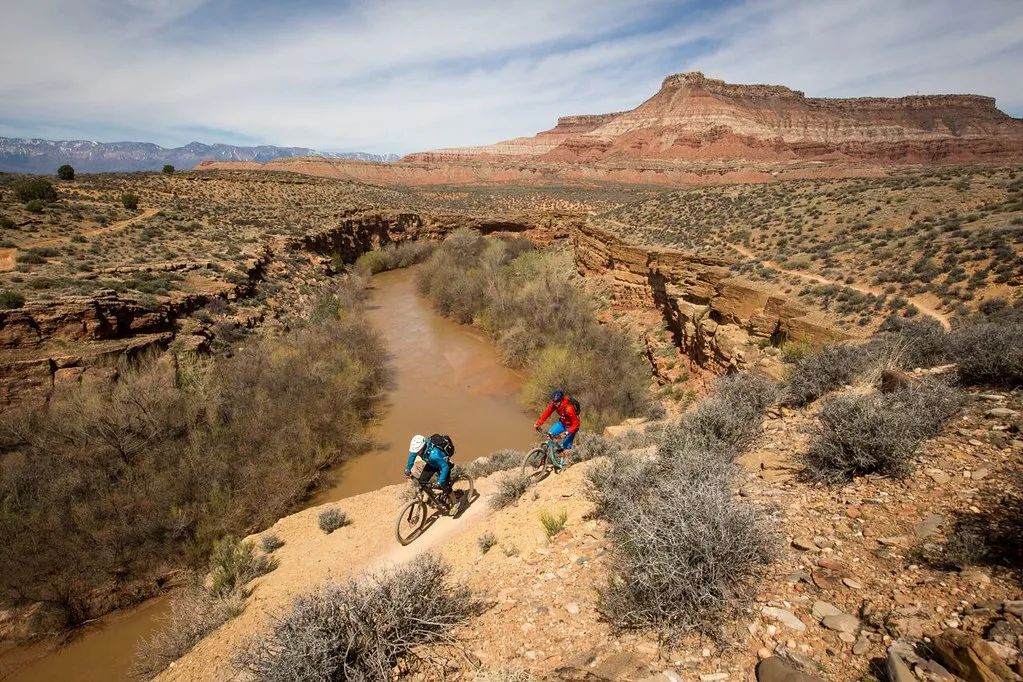
Water is the one item you can’t fix on the trail. There’s none on Gooseberry Mesa, Little Creek Mesa or the Hurricane Rim.
- Hydration pack, 2 to 3 liters. As a rule of thumb, carry at least 2 liters for a shorter ride like the JEM Trail and 3 liters or more per person for long days on Little Creek Mesa or the Hurricane Rim Loop.
- A bottle on the bike as backup. Useful if your bladder springs a leak.
- Electrolytes. Tablets or powder. Desert air pulls water out of you before you notice sweat.
- More food than you think. Salty snacks plus something easy to eat on a break.
- Extra water in the car. A gallon jug for refills at the trailhead and the drive home.
In summer, increase everything and ride at first light. Our month-by-month riding guide explains when heat becomes the main factor.
Tires, sealant and flat repair
Desert flats come from two sources: goatheads (the spiky seeds of puncturevine) and cactus spines. Both are common along trail edges and dirt roads.
- Tubeless tires with fresh sealant. Top up before the trip. Sealant dries out faster in desert heat.
- Tubeless plug kit. Handles cuts sealant can’t seal.
- A spare tube that fits your wheel size, for when a plug won’t hold.
- Pump and/or CO2. If you’re flying in, buy CO2 cartridges in Hurricane rather than packing them.
- Tire levers and a small pair of tweezers or pliers for pulling spines out of tires and hands.
Tire choice for slickrock. Sandstone grips best with a soft rubber compound and a tire with a supple casing. A sturdier casing helps protect against sharp ledges and rim strikes. Lower pressure helps too: our Gooseberry Big Loop page suggests about 24 to 28 PSI front and 26 to 30 rear as a starting point. Adjust for your weight and setup.
If you’re renting, tell the shop you’re riding slickrock so they set pressure accordingly. Our bike rental guide covers what to ask.
Tools and spares
A compact kit that solves most trail problems:
- Multi-tool with a chain breaker
- Quick links for your chain speed
- A spare derailleur hanger for your frame
- Zip ties and a strip of electrical or duct tape
- A small rag
The derailleur hanger is the one riders skip and regret. If you bend it on a rock, a shop may not have the right one in stock.
Sun protection and clothing layers
Desert sun at about 5,000 feet is strong, and shade is rare on the mesas.
On you:
- Sunscreen and SPF lip balm, reapplied midday
- Sunglasses with clear or low-light lenses for dawn rides
- Lightweight long-sleeve jersey or arm sleeves
- Gloves
- A helmet with a visor
In your pack, depending on season:
- A packable wind shell
- A light insulating layer from October through April
- Warm gloves and an ear band for winter mornings
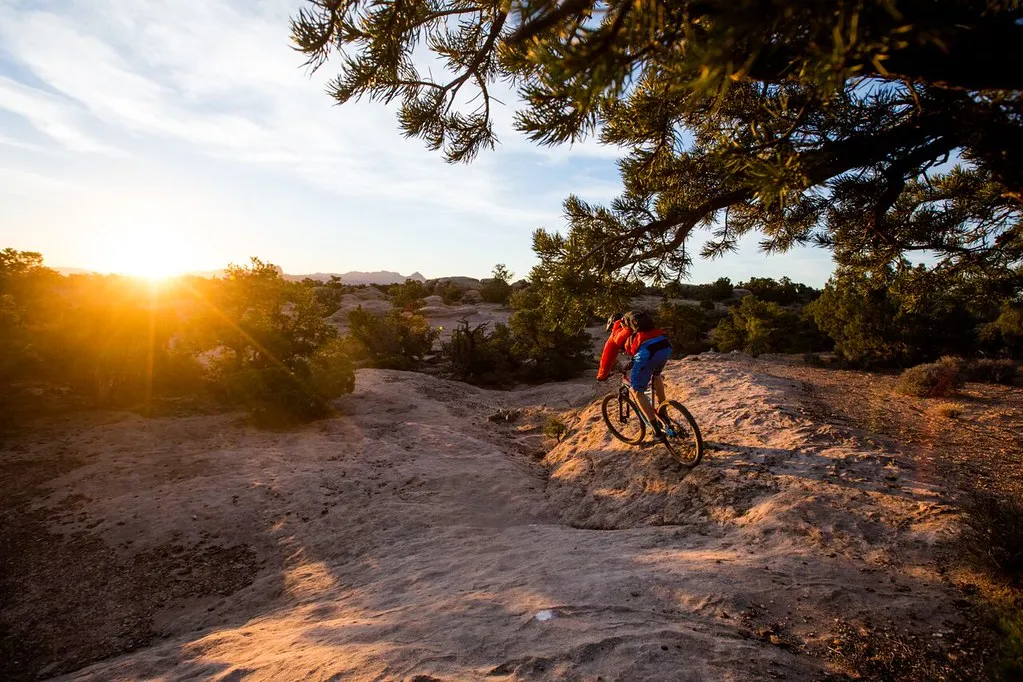
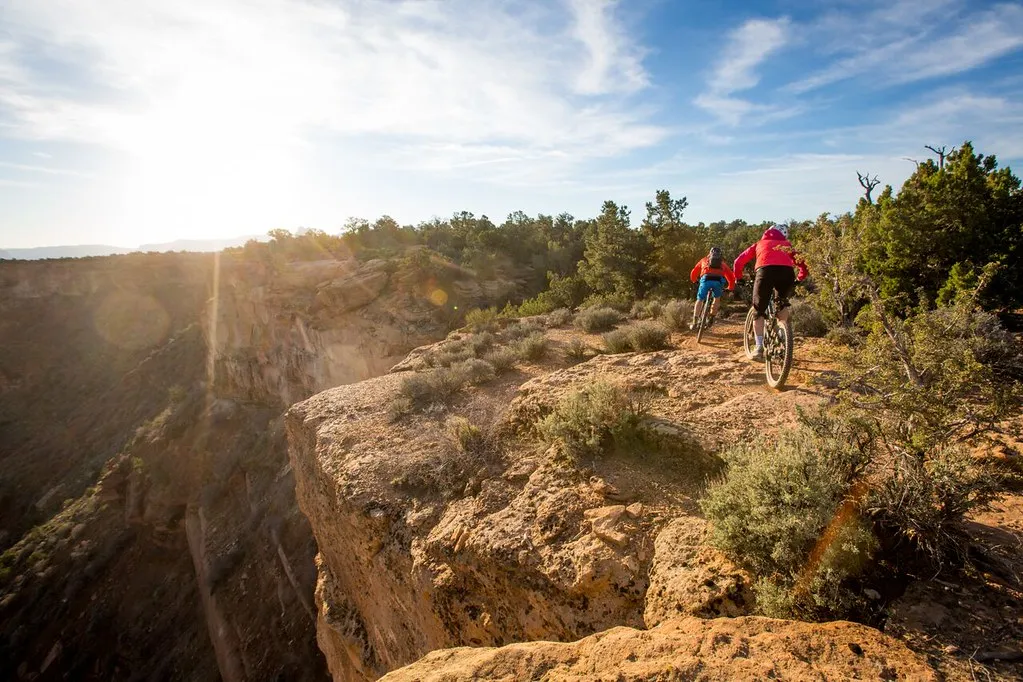
The National Park Service notes that the Zion area can see day-night swings of more than 30°F. A ride that starts at 40°F can end at 70°F, and a rider stuck on the mesa after dark will get cold fast.
Navigation and communication
Cell coverage around Apple Valley depends on your carrier, and on the mesas it’s patchy at best. Plan as if you’ll have no signal.
- Offline maps. Download the trail area in your mapping app before you leave town.
- A charged phone and a small battery pack.
- Tell someone your route and when you expect to be back.
- A satellite messenger if you ride remote trails alone.
- Know the markings. The Gooseberry Mesa White Trail follows painted white dots across the slickrock. Little Creek Mesa relies on dots and cairns, and is easy to lose, so ride it with someone who knows it the first time.
First aid and desert safety
Pack a small kit built for falls on rock:
- Adhesive bandages, gauze and medical tape
- Antiseptic wipes
- Blister care
- Pain reliever
- An elastic wrap
- An emergency blanket
Two desert-specific notes. Stay on the trail, slickrock or established washes. The dark, crusty soil beside many trails is living biological soil crust, and one footstep or tire track can kill growth that takes decades to recover. And watch for rattlesnakes in warmer months. Washington County has several species, so look before you step off the bike or reach onto a ledge.
What to keep in the car
- Extra water and a cooler with recovery food
- A floor pump and spare sealant
- A change of clothes and flip-flops
- A towel or old blanket to protect the seats from red dust
- A bike lock, if your bike rides on an outside rack
What to leave at the cabin (and at home)
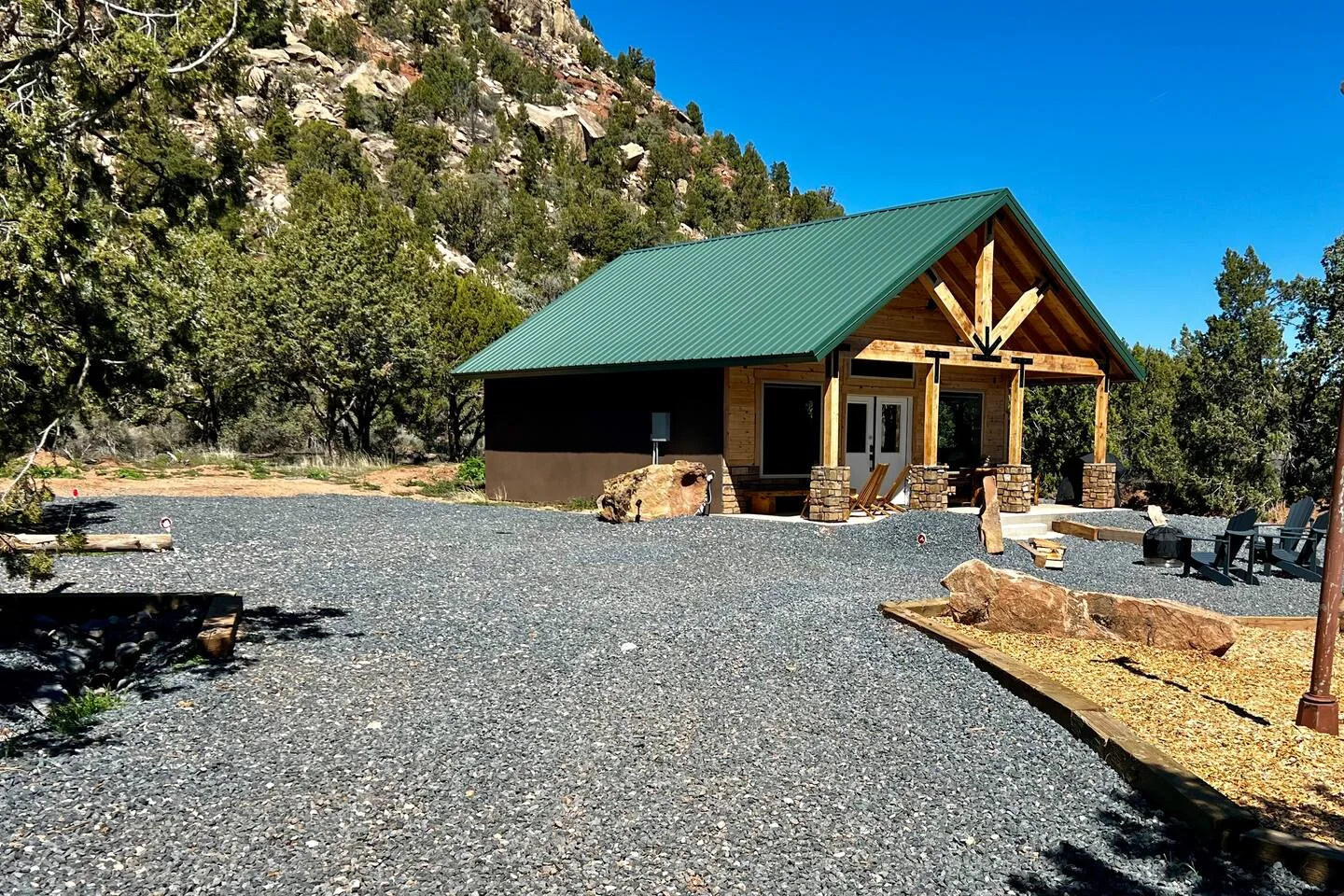
Our cabins come with linens, towels, toiletries, coffee and basic kitchen supplies, so you don’t need to pack any of those. Leave your full-size tool kit, extra layers and any spare parts at the cabin in your bag or vehicle, and carry only what the day’s ride needs.
A heads-up for planning: the cabins don’t have bike storage, a bike wash or a repair stand. Keep your bike locked in your vehicle, knock off the worst of the dust at the trailhead, and leave bigger repairs to the shops in Hurricane. Zion Ranger Cabin has washer and dryer access, which helps on a longer trip with dusty riding kit.
If you’re flying in, our guide to flying with a mountain bike to Southern Utah covers bike cases and what not to pack. Once your list is set, check cabin availability and book direct, and save the hot tub and fire pit for the end of the day.
Frequently asked questions
How much water should I carry mountain biking in Southern Utah?
What tire pressure should I run on slickrock?
Do I need tubeless tires for Gooseberry Mesa?
Is there cell service on Gooseberry Mesa?
What should I wear mountain biking in the Utah desert?
About the authors
This guide comes from the team at Anasazi Cliffs Lodging, four private desert cabins in Apple Valley, Utah, run by local hosts Robert and Maria. We help guests plan Zion, Gooseberry Mesa and Southern Utah days every week, and we update these guides when rules and conditions change.