Flying to Southern Utah With a Mountain Bike: Airports, Bike Cases, and Getting to the Trails
St. George is closest but served by regional jets, Las Vegas has the most flights and the easiest bike-friendly airlines, and shipping your bike to a Hurricane shop skips the airport hassle entirely.

In this guide
- Which airport to fly into
- St. George Regional (SGU)
- Las Vegas Harry Reid (LAS)
- Cedar City and Salt Lake City
- Airline bike policies: what we could verify
- Packing the bike: cases, boxes and what to leave out
- Shipping your bike to a shop instead
- Getting the bike from the airport to the trails
- Your first ride after you land
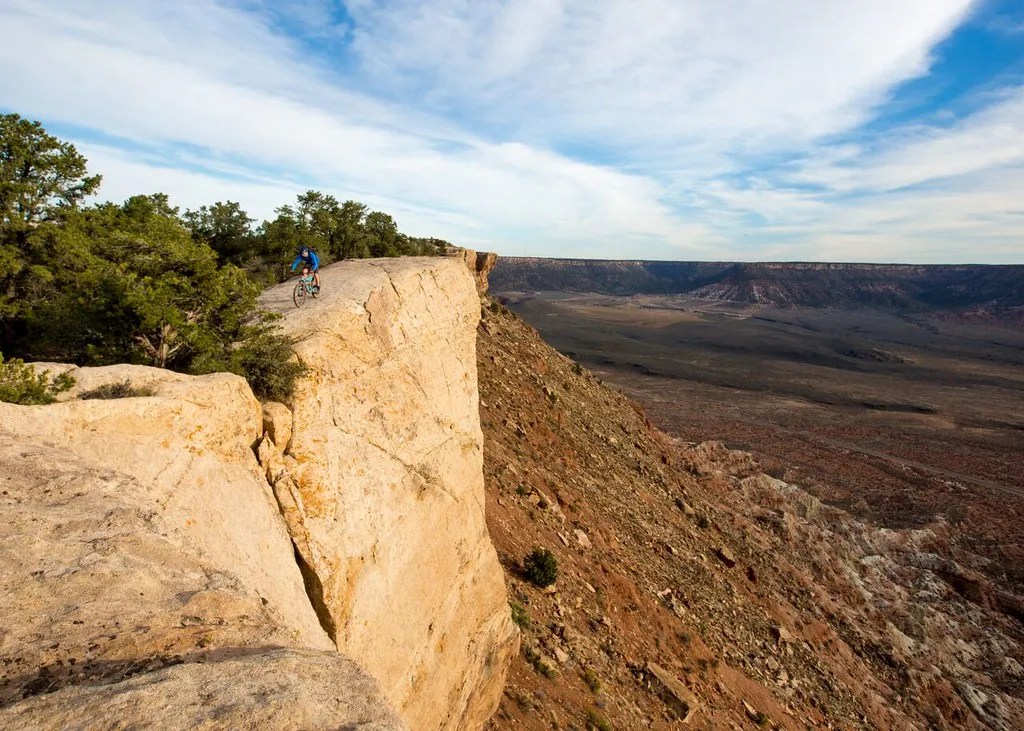
If you’re flying with a mountain bike to Utah for Gooseberry Mesa and the Hurricane trails, you have two realistic airports: St. George (SGU), about 50 minutes from Apple Valley but served by regional jets, and Las Vegas (LAS), about 2.5 to 3 hours away with the most flights and larger planes. Many riders skip the airport hassle by shipping their bike to a shop in Hurricane instead.
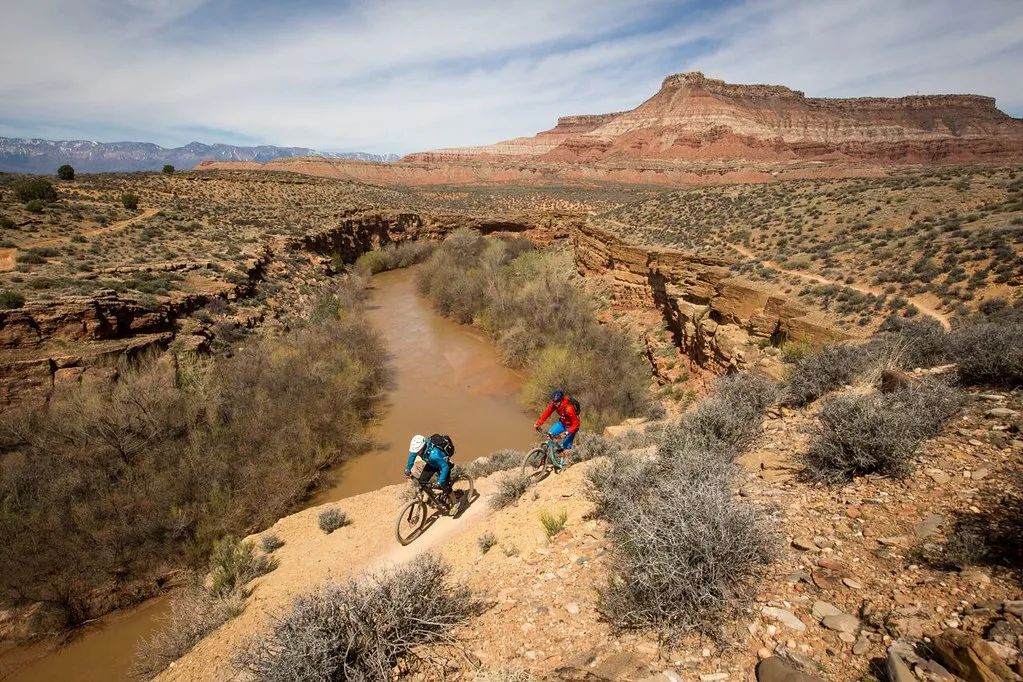
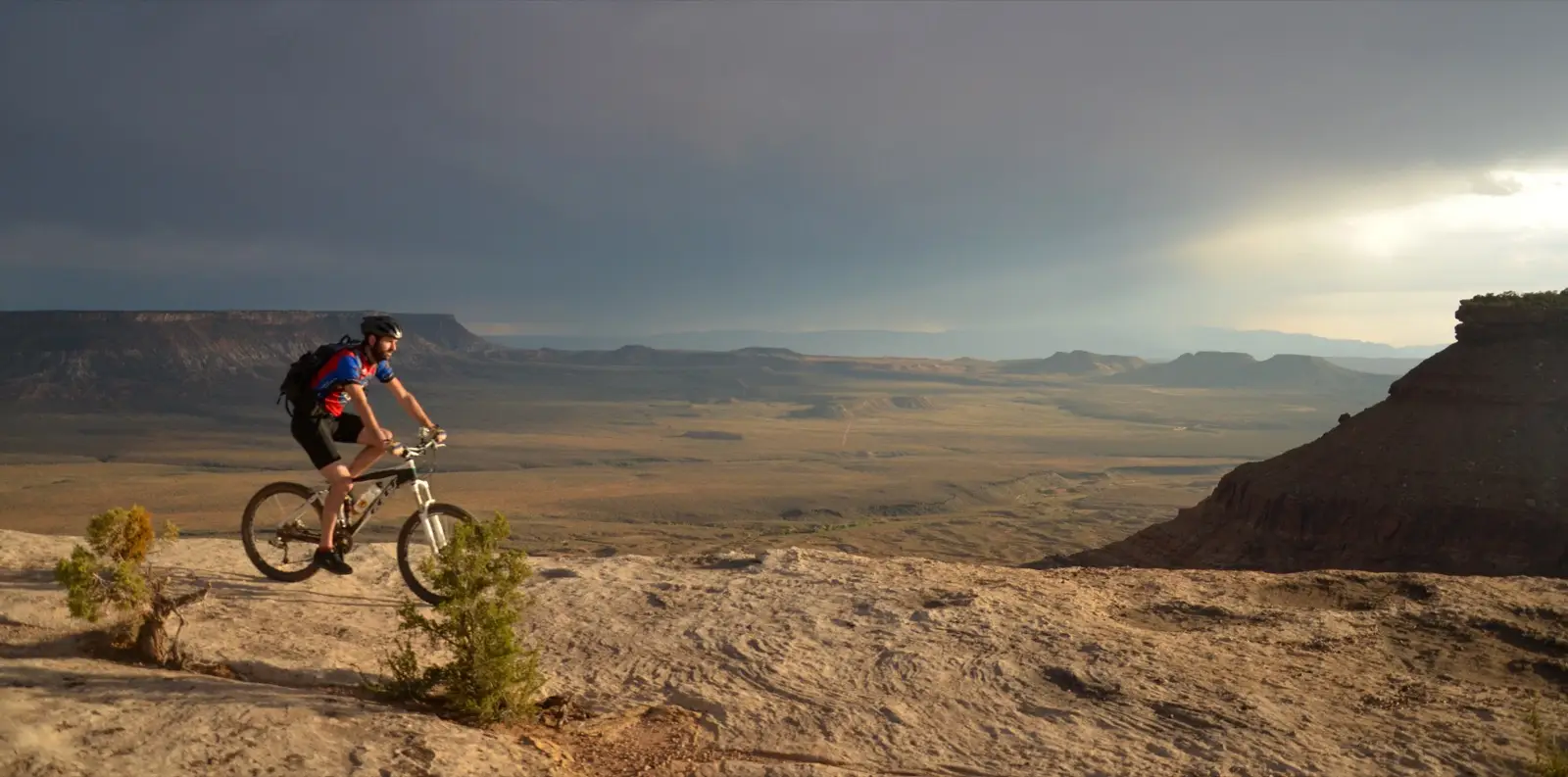
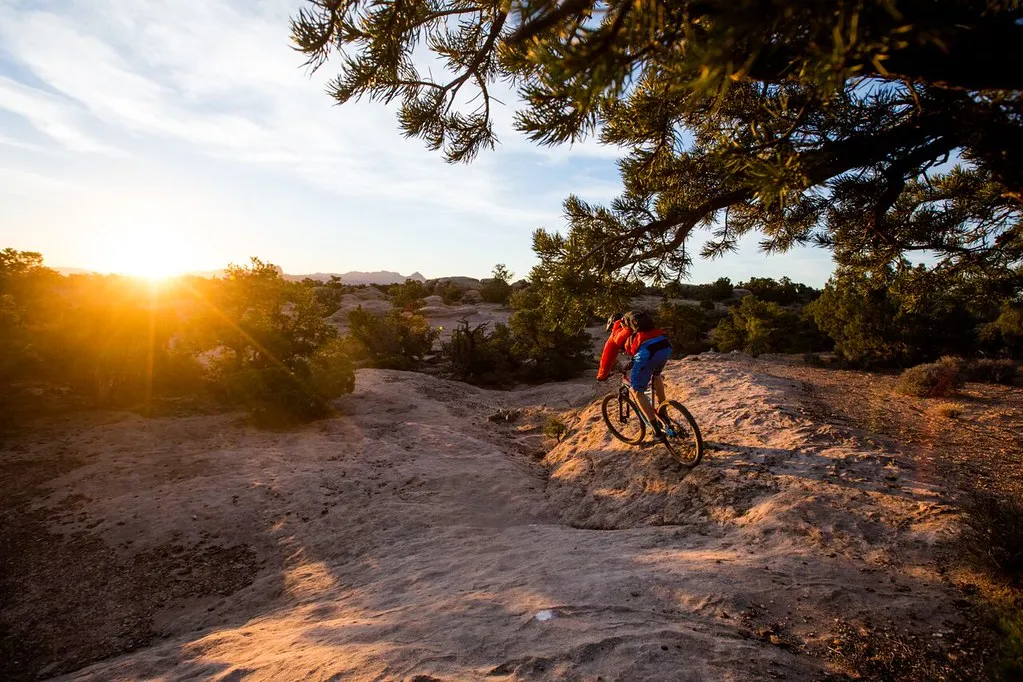
We host a lot of fly-in riders at our cabins, and the logistics of getting the bike here cause more stress than any trail. This guide compares the airports, explains what we know about airline bike policies, and covers shipping and car racks. For the riding itself, start with our On Two Wheels collection.
Which airport to fly into
| Airport | Drive to Apple Valley | Airlines | Bike notes |
|---|---|---|---|
| St. George Regional (SGU) | About 50 minutes | United, American, Delta (regional jets) | Closest; confirm case size with your airline |
| Las Vegas Harry Reid (LAS) | About 2.5–3 hours | Major hub: American, Delta, Southwest, Alaska, United and others | Most flights and larger aircraft |
| Cedar City (CDC) | Longer than SGU | Delta Connection to Salt Lake City only | Regional jets; limited schedule |
| Salt Lake City (SLC) | About 4 hours to St. George, plus the drive east | Major hub | Only if it saves a lot on fares or you’re touring Utah |
St. George Regional (SGU)
SGU is the closest commercial airport, and the drive to Apple Valley is easy, through Hurricane and then east on UT-59. Year-round routes connect to Salt Lake City on Delta, Denver and Los Angeles on United, and Phoenix and Dallas–Fort Worth on American, with seasonal United service to Chicago.
The trade-off is aircraft size. These are regional jets, and smaller cargo holds can be a problem for large hard-shell bike cases. Before you book, confirm with your airline that your case’s dimensions and weight will fit on that specific route.
Las Vegas Harry Reid (LAS)
Las Vegas is the practical choice for many riders. It has far more nonstop flights, more fare options and larger planes. The drive up I-15 through St. George and Hurricane takes about 2.5 to 3 hours to Apple Valley, and you’ll pass the bike shops in Hurricane on the way in.
Cedar City and Salt Lake City
Cedar City (CDC) has only Delta Connection service to Salt Lake City, so it rarely beats St. George for a bike trip. Salt Lake City is about four hours from St. George by car. It makes sense only if fares are much lower or you’re combining the trip with riding farther north.
Airline bike policies: what we could verify
Airline policies change often, so treat this as a starting point and confirm with your airline before you fly.
- Southwest: accepts bikes as checked baggage. Standard checked-bag and overweight fees apply, but the oversize fee is waived. Maximum 100 lb and 115 linear inches. Pedals must be removed and handlebars turned, and soft or cardboard cases are accepted under limited liability.
- Alaska: charges the standard bag fee, waives oversize fees for bikes and waives overweight fees up to 70 lb. One bike per case.
- Delta, United and American: generally charge standard checked-bag fees plus any overweight fees, rather than oversize fees. We couldn’t confirm their current pages, and on regional jets into SGU and CDC, large cases may be limited. Check directly with the airline.
Both Southwest and Alaska fly into Las Vegas, which is one more reason LAS is popular with riders.
Packing the bike: cases, boxes and what to leave out
Hard case, soft case or cardboard box? A hard case offers the most protection but is heavy and bulky, which matters on regional jets and in a rental car. A padded soft case is lighter and easier to fit in a vehicle. A cardboard bike box from your local shop is cheap and light, but offers the least protection.
A few packing habits that save headaches:
- Remove pedals and turn or remove the handlebars. Southwest requires both, and it’s good practice everywhere.
- Protect the derailleur. Remove the rear derailleur from the hanger and wrap it, or at least pad it well.
- Let some air out of the tires, but not all, so the rims stay protected.
- Pack small parts in a labeled bag: thru-axles, pedals, derailleur hanger bolts, and the tools to reassemble.
- Weigh the packed case at home. Overweight fees can cost more than the bag fee.
- Skip the CO2 and sealant. Rules for compressed gas cartridges are confusing, so check TSA and airline rules, or simply buy CO2 and sealant at a Hurricane shop when you land.
Bring a spare derailleur hanger for your frame. It’s a small part that can end a trip if a baggage handler bends yours and no shop has the right one.
Shipping your bike to a shop instead
If flying with the bike sounds like more trouble than it’s worth, ship it. Over the Edge Sports in Hurricane will hold a shipped bike box for a fee and will build or tune your bike for an extra charge. Call or check their site before you ship to confirm the current fee and timing.
The benefits are real: no airline fees or case limits, no wrestling a bike box through the airport, and a bike that’s built, checked and ready when you arrive. Hurricane is about 17 minutes from our cabins and on the way in from either airport, so pickup fits naturally into your arrival day. Ask the shop about packing and shipping it home at the end of the trip, too.
Prefer to travel light? Renting is the other way to skip all of this. Our mountain bike rental guide covers the Hurricane and Springdale shops and what to reserve ahead.
Getting the bike from the airport to the trails
Think about this before you reserve a rental car:
- Rent a vehicle the bike fits inside. An SUV or minivan with the rear seats folded usually swallows a bike with the front wheel off. Check cargo dimensions when you book.
- Ask about racks. Over the Edge Sports suggests asking about rack rentals, which can solve the problem if you’ve rented a smaller car.
- Bring a lightweight rack if you own one that fits a rental car, and pack it in your checked bag.
- Lock up. Keep the bike inside the vehicle or on a locked rack overnight.
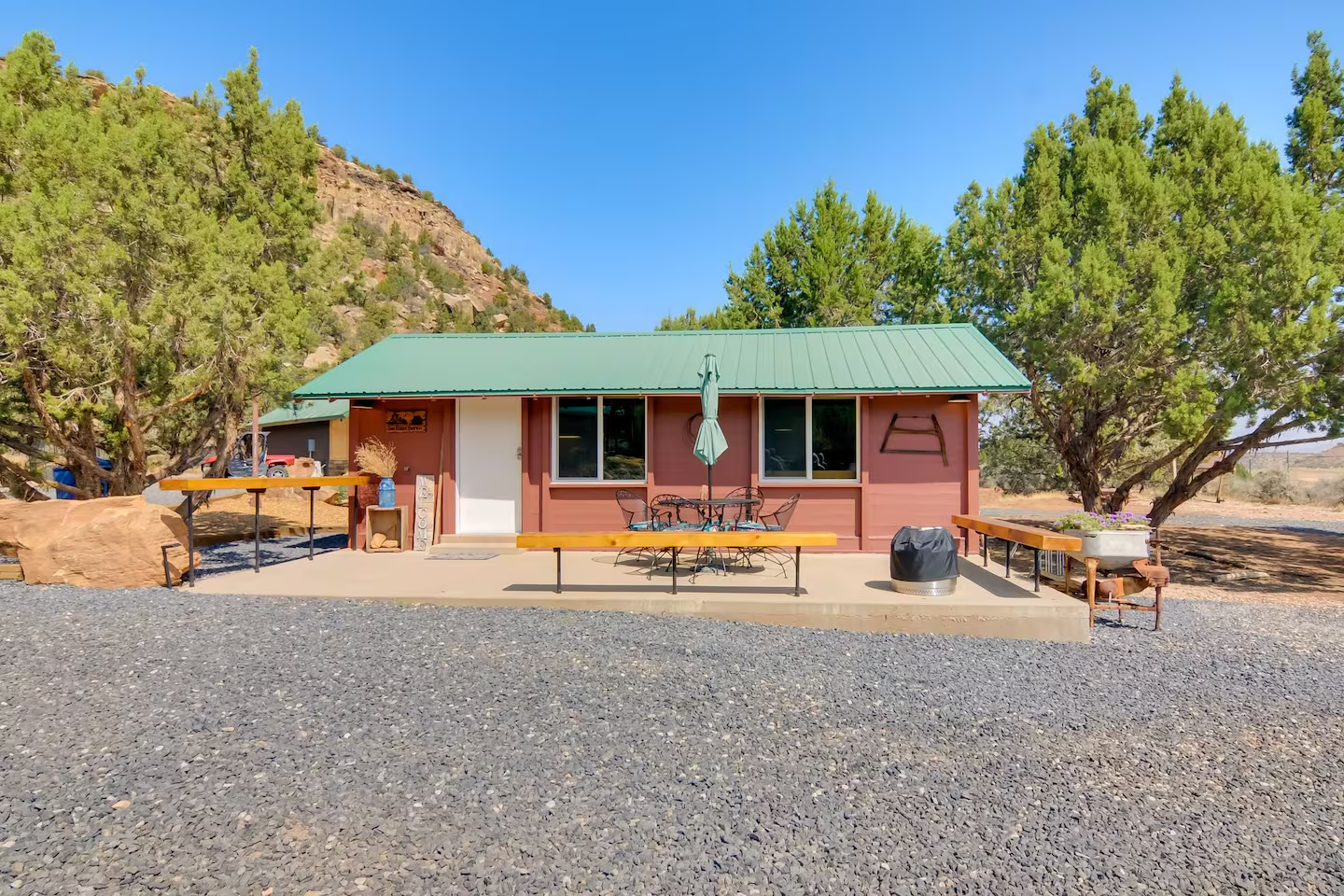
Our cabins don’t have bike storage, a bike wash or a repair stand, so plan on the vehicle as your bike locker and the Hurricane shops for any repairs. If your group is driving in with a trailer or more than one vehicle, Zion Ranger Cabin has trailer and overflow parking.
Your first ride after you land
After a travel day, start easy and check your rebuild on something forgiving. Wire Mesa is a 7.4-mile loop close to Apple Valley, and the JEM Trail near Hurricane is about 6.7 miles of flowing singletrack. Both will show you any loose bolt or brake rub before you head up to the Gooseberry Mesa White Trail, about 25 to 30 minutes from our cabins.
Timing your trip? Our month-by-month riding guide covers the seasons, and the desert packing list covers the gear. When your flights are set, check cabin availability and book direct.
Frequently asked questions
What is the closest airport to Gooseberry Mesa?
Can I fly into St. George with a mountain bike?
Which airlines are best for flying with a bike?
Should I ship my bike instead of flying with it?
Is Las Vegas or St. George better for a Utah mountain bike trip?
About the authors
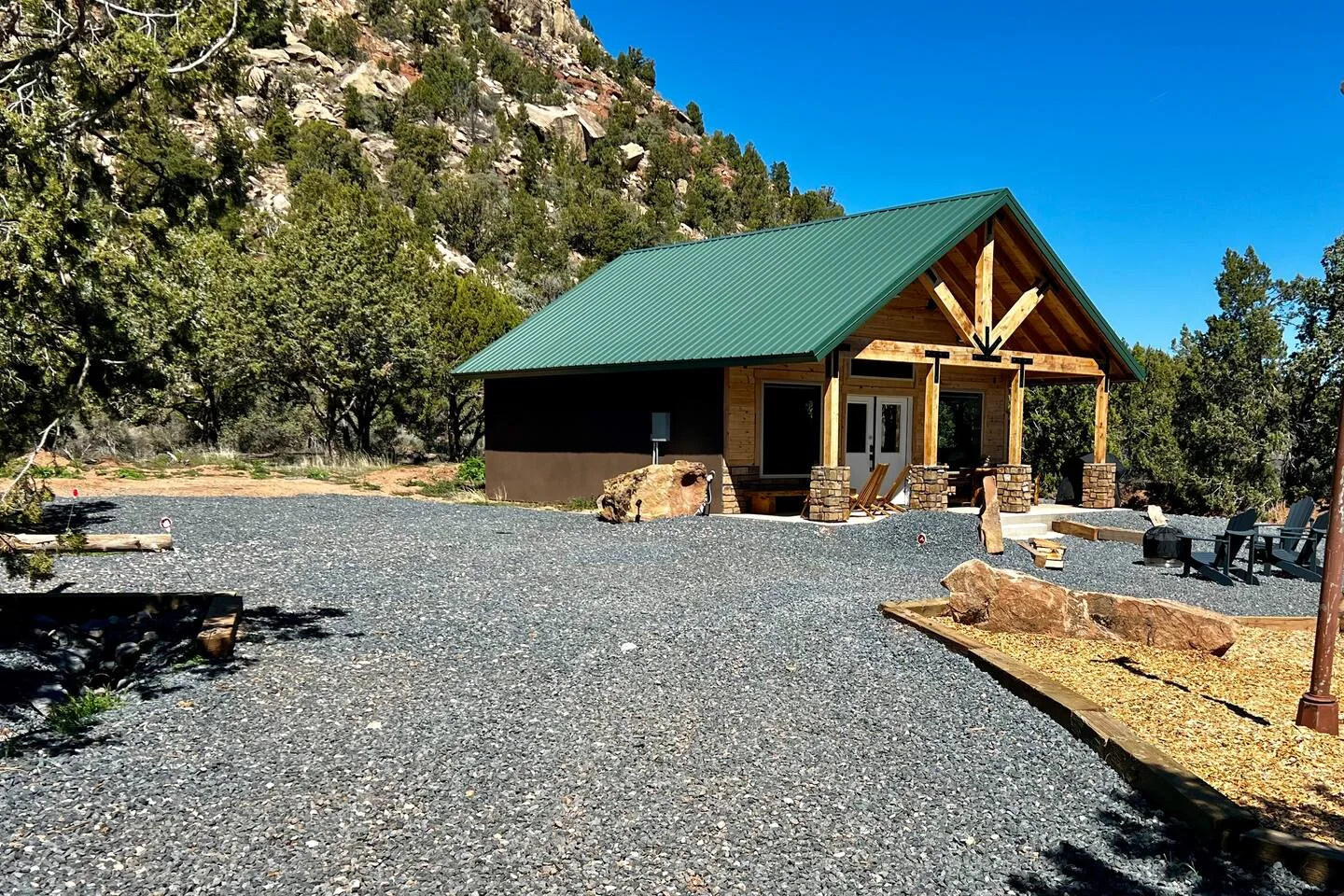
This guide comes from the team at Anasazi Cliffs Lodging, four private desert cabins in Apple Valley, Utah, run by local hosts Robert and Maria. We help guests plan Zion, Gooseberry Mesa and Southern Utah days every week, and we update these guides when rules and conditions change.